What Is Psychological Skills Training (PST)?
In competitive sport, success is often measured by results: medals, wins, and rankings. While physical and technical preparation are essential, athletes and coaches increasingly agree that psychology plays a decisive role, especially in high-pressure moments.
Focus, confidence, emotional control, and teamwork can make the difference between winning and losing. Despite its importance, psychological preparation is still often overlooked or applied inconsistently. Phrases like “It’s all in the head” or “We lost focus” are common in sport, yet mental skills are rarely trained as systematically as physical or technical skills. To be effective, psychological skills, like any sport skill, must be practiced regularly and intentionally.
What Is PST?
Psychological Skills Training (PST) is a structured part of sport preparation, alongside technical, tactical, and physical training. It uses scientifically proven methods from psychology and sport science to help athletes and coaches develop mental skills that support performance and personal growth. PST is not only for athletes facing difficulties. It is designed for anyone who wants to reach their full potential, improve consistency, and perform better under pressure, both in sport and in everyday life.
What Does PST Develop?
PST typically focuses on:
Motivation and goal setting
Focus and concentration
Emotional and arousal regulation
Self-confidence
Team cohesion and communication
Leadership and relationships
Coping with challenges such as injuries or setbacks
Who Is PST For?
Athletes use PST for different reasons: to overcome mental blocks, learn new performance skills, or prepare for competition. Coaches also benefit greatly from PST, especially when working with young athletes. By developing psychological skills, coaches can create healthier team environments, communicate more effectively, and better support athletes’ individual needs.
How Does PST Work?
The PST process usually begins with psychological assessment, including tests and interviews, to create an individual (or team) psychological profile. This profile helps define goals and serves as the foundation for the training plan.PST then continues through education and practical application. Athletes learn mental techniques and practice them through exercises, tasks, and real sport situations. In team sports, PST also includes group work and close cooperation with the head coach.
How Long Does PST Take?
PST is not a quick fix. Like physical training, it is a long-term process that develops over time. It is often organized in cycles aligned with sport seasons and can continue as long as the athlete or coach chooses to work on personal and performance development.
Final Thought
Psychological Skills Training treats the mental side of sport as equally important as the physical. When trained systematically, psychological skills help athletes and coaches perform better, handle pressure more effectively, and grow not only in sport but as people.
Wishing you success,
prof. dr. sc. Renata Barić
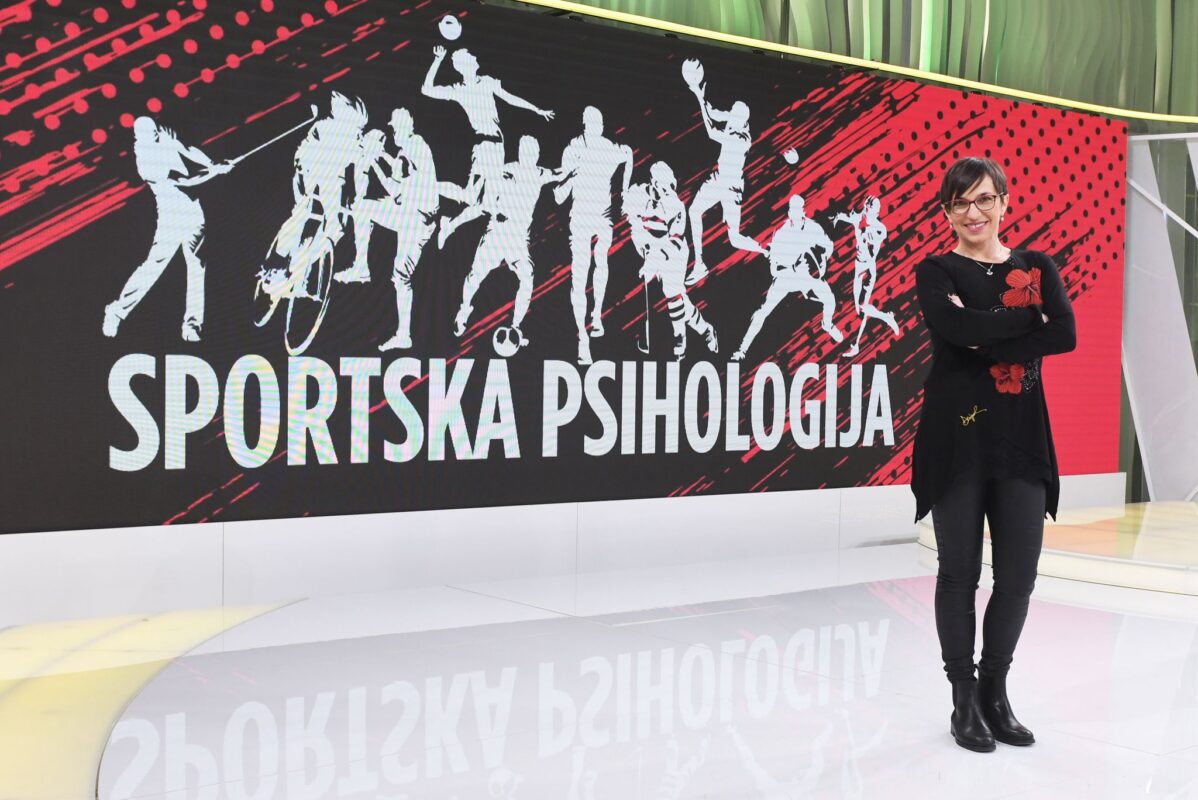
Renata Barić is Founder of Olimp – Center for Sport Psychology, Counseling, Education, and Psychological Preparation in Sport
With over 20 years of experience, Renata works with athletes, coaches, and teams across nearly all sports, from youth to elite level, including Olympic winners and World Champions.